Understanding Neuroimaging and Interventional Radiology
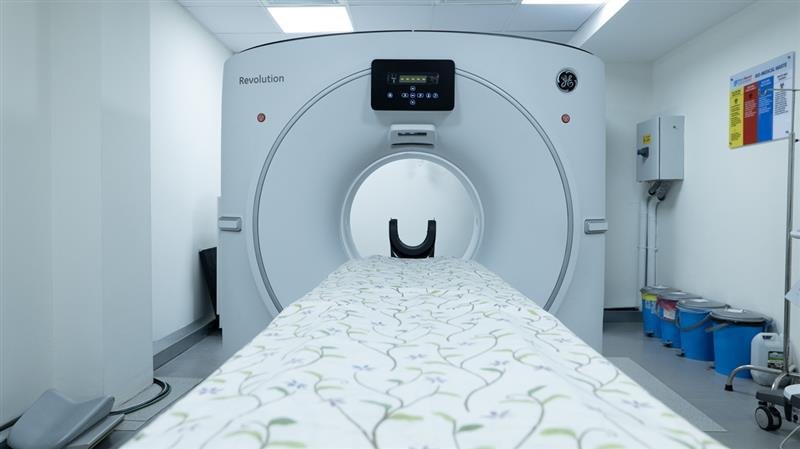
Neuroimaging uses scans such as MRI and CT to help clinicians examine the brain and spine. The images can help a care team assess concerns such as stroke, a tumour, an aneurysm, or another neurological problem. Which scan is needed depends on the patient’s symptoms and clinical assessment.
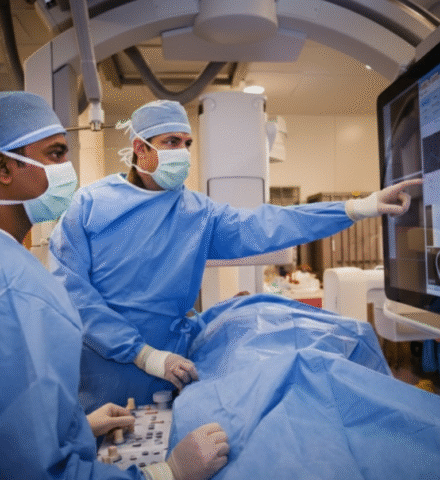
Interventional neuroradiology uses imaging to guide certain procedures through blood vessels. For selected patients, these procedures may be considered to treat conditions such as a blocked brain artery, an aneurysm, or an arteriovenous malformation (AVM). The treating specialists decide whether a procedure is appropriate after reviewing the individual case.
The Role of an Interventional Neuroradiologist
An interventional neuroradiologist is a doctor who uses imaging guidance to perform minimally invasive procedures involving blood vessels in the brain or spine. Depending on the diagnosis, a procedure may involve removing a clot, placing coils in an aneurysm, or treating an AVM.
The specialist works with the patient’s wider care team to review imaging, discuss possible options, and plan next steps. Not every condition or patient is suitable for an endovascular procedure; the benefits and risks depend on the individual clinical situation
Why Choose First Neuro?
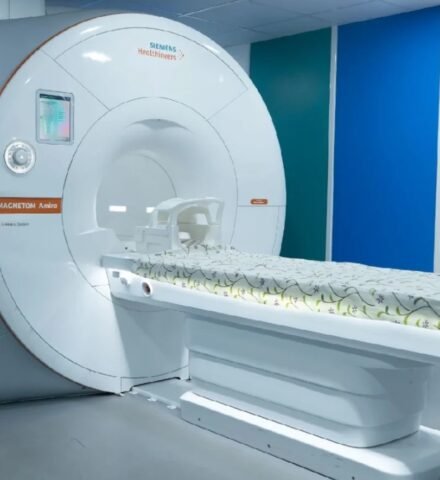
First Neuro combines neuroimaging and interventional radiology within a hospital focused on brain and spine care. The service information lists MRI and CT imaging alongside a Siemens 1.5T Amira MRI and a Siemens Cath Lab for image-guided procedures.
Imaging findings can be discussed with the specialists caring for the patient. The exact tests or procedures recommended depend on the clinical question, the imaging results, and the patient’s health.
At First Neuro, Neuroimaging and Interventional Radiology Includes:
Frequently Asked Questions: Neuroimaging and Interventional Radiology